
How to Run a Pre-Order Campaign to Sell Before You Build
Sell your product before you make it. This simple pre-order guide shows you how to test demand, collect money early, and build with confidence.
Making a product and hoping people buy it is a scary way to start. You spend money, you spend time, and you find out if anyone wants it only after it is too late to change. A pre-order campaign flips that around. You sell the product first, take the orders, and only then make it. If enough people buy, you know you are on the right track. If they don't, you have saved yourself a costly mistake.
This guide walks you through how to run a pre-order the simple way, even if this is your first product and you have never sold anything online before.
What a pre-order campaign actually is
A pre-order is when someone pays for a product now and receives it later. The product might not exist yet. It could be half made. Or it might be finished but not shipping until a set date.
You are basically saying: "Here is what I'm making. If you want it, reserve yours today and I'll send it on this date." People who buy are telling you loud and clear that they want it. Money talks louder than a thumbs-up on social media.
This works for almost anything: a new batch of handmade candles, a printed book, a clothing drop, a course, a physical gadget, even a digital template pack.
Why pre-orders are worth doing
Pre-orders solve two big problems at once. They tell you if the idea is real, and they give you cash before you spend it.
- You test demand for free. Instead of guessing, you get proof. Real orders are the clearest signal there is.
- You get money upfront. That cash can pay for materials, printing, or your first stock order. You build with the customer's money, not a loan.
- You lower your risk. You only make what you can sell. No piles of unsold stock in your spare room.
- You create a bit of buzz. A launch date and a limited window give people a reason to act now instead of "maybe later."
The trade-off is trust. People are paying for something they can't hold yet, so you have to be honest and clear at every step. Do that well and pre-orders feel exciting, not risky.
Step by step: how to run your pre-order
Here is a plan you can follow from start to finish. Take it one step at a time.
- Decide exactly what you are selling. Pin down the product, the size or version, the colour, and what's included. Vague products are hard to pre-sell. "A soy candle in three scents, shipping in four weeks" is easy to say yes to.
- Set a clear delivery date. Pick a date you can actually hit, then add a little buffer. It is always better to promise later and deliver early than the other way around.
- Set your goal. Decide the minimum number of orders you need for this to be worth making. For example, "I need 30 orders to cover my first production run." This number keeps you honest.
- Price it right. Cover your costs and your time, and don't undercharge just because it isn't made yet. If pricing feels like guesswork, walk through how to price your products for an online store before you launch.
- Build a simple sales page. Show what the product is, who it's for, when it ships, and why it's worth the wait. Add photos, a sample, or a mock-up so people can picture it.
- Set up a checkout that takes payment. This is the whole point of a pre-order. Let people pay in the way they prefer, whether that's cards, UPI, wallets, or cash on delivery.
- Open for a limited time. A window of one to three weeks works well. "Pre-order closes Friday" gives people a reason not to wait.
- Tell everyone. Share it with your audience, your friends, your community, everywhere your buyers hang out.
Write a page that earns trust
Because your buyers can't touch the product yet, your page has to do the reassuring for you. Keep it plain and honest.
Say clearly what they get and when. Show the best photos you can, even if it's a prototype or a hand-drawn mock-up. Explain in simple words why you are doing a pre-order, for example "I make each batch by hand, so I open orders first to know how many to make." People respect honesty like that.
Good photos matter more than you think, and you don't need fancy gear. A quick read on how to take great product photos with just your phone can lift your whole page. If you want words that sound like a real person and not a brochure, keep sentences short and speak to one buyer at a time.
Be upfront about shipping and refunds
This is where pre-orders live or die. People are trusting you with their money early, so remove every worry.
Tell them the exact shipping date, or a clear window like "ships the first week of next month." Explain what happens if there's a delay. Say whether they can cancel and get their money back before it ships. Putting this in writing protects you and calms the buyer. A clear shipping policy that sets honest delivery expectations does a lot of quiet work here.
The golden rule of pre-orders: never promise a date you can't keep. One broken promise costs you more than the sale.
How to get people to actually buy
A pre-order page with no visitors sells nothing. You need to bring people to it.
- Start with people who already know you. Your email list, your followers, your past customers. They trust you most, so they buy first.
- Give early buyers a reason. A lower "early bird" price, a bonus item, or a limited first batch makes people act now.
- Show it being made. Post behind-the-scenes photos and short videos. Watching you work makes the wait feel exciting, not annoying.
- Count down. Remind people the window is closing. Most orders come in the first day and the last day.
If you're building an audience from scratch, the same ideas that help you get your first 100 customers apply perfectly to a pre-order launch.
A quick real-life example
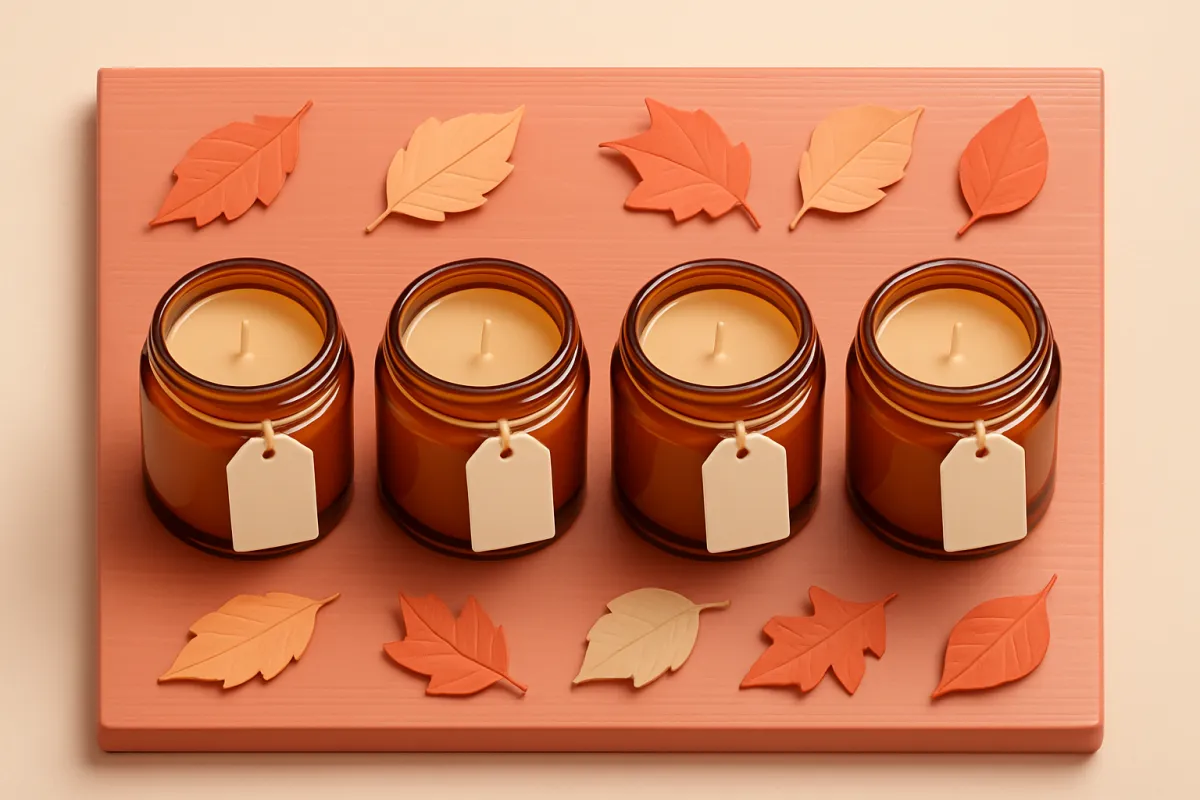
Say you make hand-poured candles. You want to launch a new autumn scent, but a full batch costs money and you're not sure it will sell. So you set up a pre-order page with three photos, a short story about the scent, and a shipping date three weeks out. You set a goal of 40 orders and open for ten days.
By day three you have 22 orders. By the last day you hit 51. Now you buy your wax and jars knowing every candle is already sold, and you pocket the extra without touching your savings. That is the power of selling first and making second.
What to do after the campaign closes
The sale isn't the end. How you handle the wait decides whether these buyers come back.
Send a thank-you message the moment someone orders. Keep buyers updated while you make the product, even a quick "batch is poured, shipping next week" builds goodwill. Ship on time, and ask happy buyers for a review you can show off later.
If your pre-order didn't hit your goal, that's useful too. You lost nothing but time, and you learned the idea needs work, a different price, or a different audience before you spend real money on it.
Setting it all up without the tech headache
You don't need to be technical to run this. You need a page that explains the product, a checkout that takes payment, and a clear delivery promise. A website builder like vq.pe lets you put up the page, take pre-orders, and accept payments in one place, so you can launch in an afternoon instead of wrestling with separate tools.
If you're still testing whether the idea has legs before you even build a product page, starting with a simple waitlist page to validate your idea is a gentle first step, then turn that interest into paid pre-orders.
Here's the mindset to take with you: you don't have to bet everything on a hunch. Sell the idea first, let real buyers tell you it's worth making, and build with their money and their blessing. Pick one product you've been unsure about, write a simple page for it this week, and open pre-orders. The answer you get will be worth far more than another month of wondering.