Post-Purchase Emails That Bring Buyers Back Again
Your first sale is just the start. Learn how simple post-purchase emails turn one-time buyers into loyal, repeat customers who keep coming back.
Getting a new customer is hard work. You pay for ads, you post on social media, you answer questions, and finally someone buys. But here's the part most people miss: the moment after that first sale is when the real money is. A buyer who already trusts you is far easier to sell to again. Post-purchase emails are how you stay in touch, build that trust, and bring people back without spending more to find them.
This guide shows you exactly what to send, when to send it, and how to write it so it feels friendly, not pushy. You don't need fancy tools or a big list. You just need a plan.
Why repeat customers matter more than you think
Think about your own habits. When you find a shop you like, you go back. You don't compare prices every time or read ten reviews. You already know what to expect. Your customers feel the same way.
A returning buyer usually spends more, complains less, and tells friends about you. And because they already know you, you don't have to pay again to grab their attention. That's why chasing only new sales is like filling a bucket with a hole in the bottom. Post-purchase emails patch the hole. If you're still working on the first sale side of things, our guide on how to get your first 100 customers pairs perfectly with this one.
What a post-purchase email actually is
It's simply any email you send after someone buys from you. Some are practical, like an order confirmation. Others are friendly check-ins or gentle nudges to buy again. Together they form a little sequence that runs on its own once you set it up.
The goal is not to spam people. It's to be helpful at the right moments. A good post-purchase email makes the customer feel looked after, and that feeling is what brings them back.
The core emails to send, in order
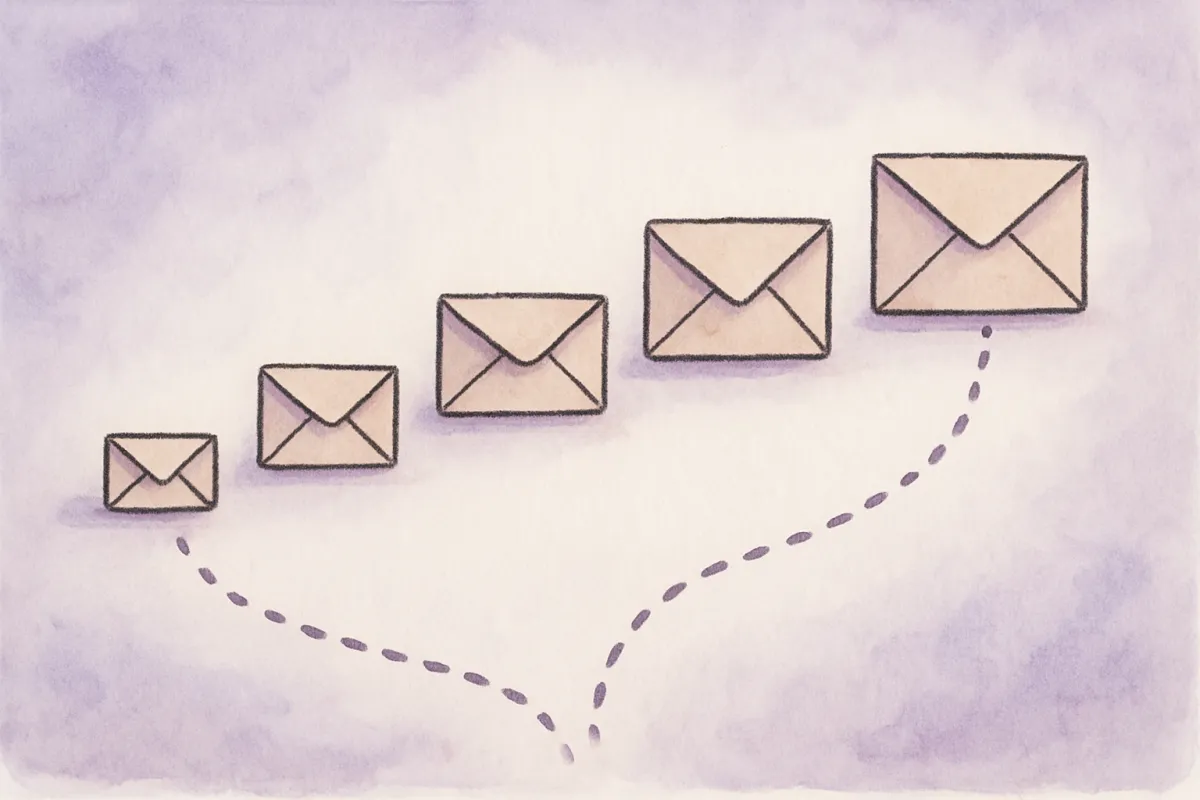
You don't need dozens of emails. Start with these five. You can write them once and reuse them for every order.
- Order confirmation (send instantly). This is the most-opened email you'll ever send, so use it well. Confirm what they bought, thank them warmly, and tell them what happens next. A little personality here goes a long way.
- Shipping or delivery update (when it ships). People get nervous after they pay, especially with a new shop. A quick "your order is on its way" email calms that worry and builds trust.
- The check-in (3 to 7 days after delivery). Ask how things are going. "Did your order arrive okay? Reply if you need anything." This one email prevents bad reviews and shows you actually care.
- The review request (about 7 to 10 days later). Once they've had time to enjoy the product, ask for a quick review. Keep it short and make it easy. Reviews bring in future buyers for free.
- The come-back email (2 to 4 weeks later). This is where repeat sales happen. Suggest something that goes well with what they bought, or offer a small thank-you discount for their next order.
How to write emails people actually read
Long, formal emails get ignored. Write like you're talking to one person, because you are. Here are the habits that make the difference.
- Use their name. "Hi Priya" beats "Dear Valued Customer" every time.
- Keep it short. Three or four short sentences is often plenty. People skim.
- Have one clear point. Each email should ask for one thing: leave a review, or shop again, or reply. Don't cram it all in.
- Sound like a human. Skip the corporate voice. If you'd feel weird saying it out loud, rewrite it. Our tips on writing copy that sounds human and sells work just as well in email.
- Add a friendly sign-off. Something like "Thanks for shopping small, it means a lot" reminds them there's a real person behind the shop.
The come-back email, done right
This is the email that earns you repeat money, so let's slow down here. The trick is to make it feel like a helpful suggestion, not a sales push.
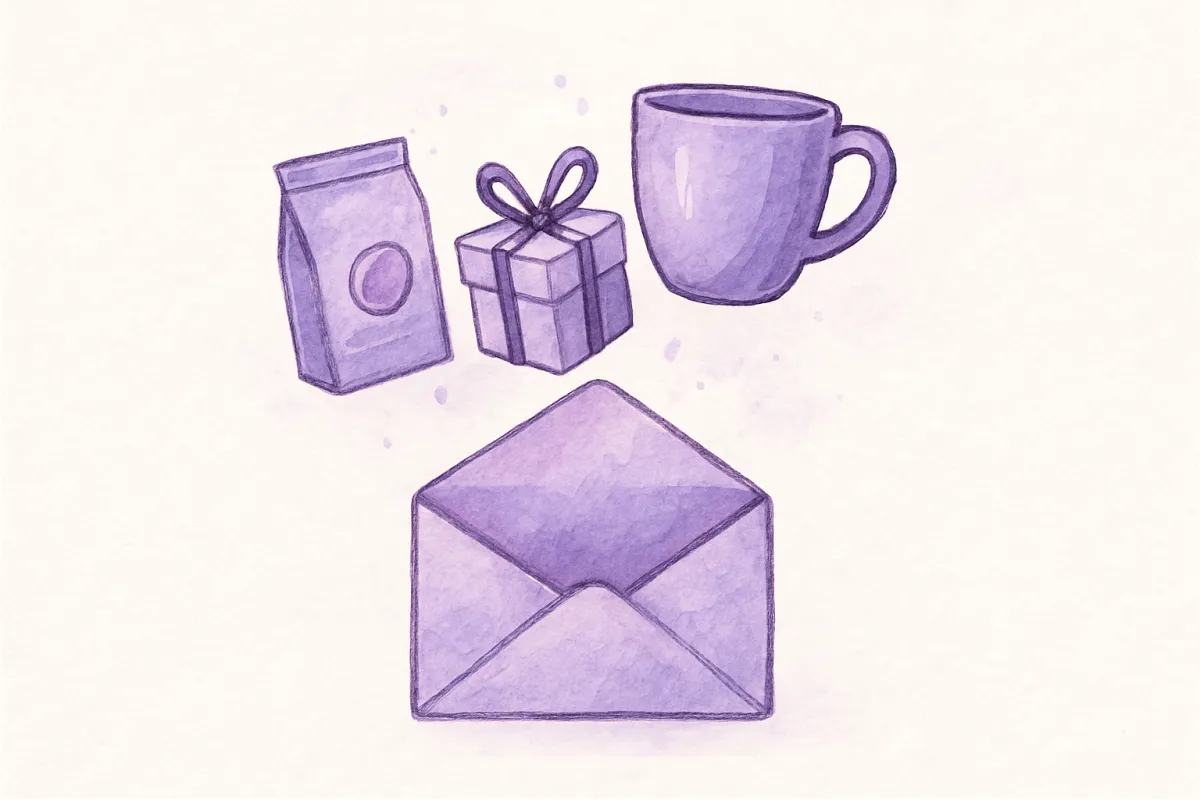
Say someone bought a coffee mug from you. A weak email says "Buy more stuff." A good one says "Hope you're loving your mug. A lot of people pair it with our coffee sampler, so here's 10% off if you'd like to try it." See the difference? You're being useful and specific.
Suggesting matching products is one of the easiest ways to grow each order. If you want to go deeper on this, our guide on how to bundle products to increase your average order value shows you how to group items people naturally want together.
A small discount can help too, but use it carefully. If every email has a coupon, people just wait for the next one. Save discounts for a real reason, like a thank-you for a second order or a slow month. Our coupon and discount strategy guide explains how to give offers that boost sales instead of eating your profit.
Timing: don't overwhelm people
Sending too many emails too fast is the fastest way to get unsubscribed. Space them out. A rough rhythm that works well:
- Order confirmation: right away.
- Shipping update: when it ships.
- Check-in: a few days after it arrives.
- Review request: about a week after that.
- Come-back offer: two to four weeks later.
After that, they can join your regular newsletter or occasional offers. If email is brand new to you, start with the basics in our email marketing for beginners guide, then layer these post-purchase emails on top.
A simple example sequence
Let's say you sell handmade candles. Here's how a full week or two might look:
Day 0: "Thank you! Your candles are being packed with care. We'll email you the moment they ship."
Day 2: "Good news, your order is on its way!"
Day 6: "Did your candles arrive safely? Reply if anything's not right, we're happy to help."
Day 13: "Hope your home smells amazing. If you have a minute, a quick review really helps our small shop."
Day 25: "Running low? Your favorite scent is back in stock, and here's a little thank-you for being a returning customer."
Notice how each message has a job, and none of them feel like a hard sell. That's the whole idea.
Setting it up without stress
The good part is you write these once. Most email tools let you set up an automatic sequence that triggers when someone orders. Some website and store platforms, like vq.pe, keep your store, checkout, and customer emails in one place, so order details flow straight into your messages without extra copy-and-paste work.
Whatever tool you use, follow the same steps:
- Write your five core emails in plain language.
- Set the timing for each one.
- Test the sequence by placing a small order yourself.
- Read every email on your phone to check it looks clean.
- Turn it on and let it run.
You can always improve later. Check which emails get opened and which links get clicked, then tweak the weak ones.
Start with one email today
You don't have to build the whole sequence at once. If that feels like a lot, just write one great order confirmation this week. Make it warm, make it clear, and add a single line inviting people to come back. That alone will lift your repeat sales.
Your customers already said yes once. A few thoughtful emails are all it takes to hear yes again. Pick one email, write it the way you'd talk to a friend, and set it live today.