
How to Sell Subscriptions and Memberships on Your Website

Turn one-time buyers into steady monthly income. Here's a simple, no-jargon guide to setting up subscriptions and memberships on your own website.
A one-time sale pays you once. A subscription pays you again and again, month after month, without you having to chase a new buyer each time. That is why so many creators, coaches, and small shops are adding subscriptions and memberships to their websites. This guide shows you how to sell subscriptions and memberships in plain steps, even if you have never done it before.
Let's keep it simple. A subscription means a customer pays you on a repeating schedule, usually every month or every year. A membership is what they get in return: access to something special, like content, a community, discounts, or a regular delivery. The two go hand in hand.
Decide what you'll actually sell every month
The hardest part is not the tech. It is picking something people will happily pay for again and again. A good subscription solves a problem that keeps coming back, or gives access to something people don't want to lose.
Here are common types that work well for small businesses:
- Content or community access: a members-only area with lessons, templates, videos, or a private group.
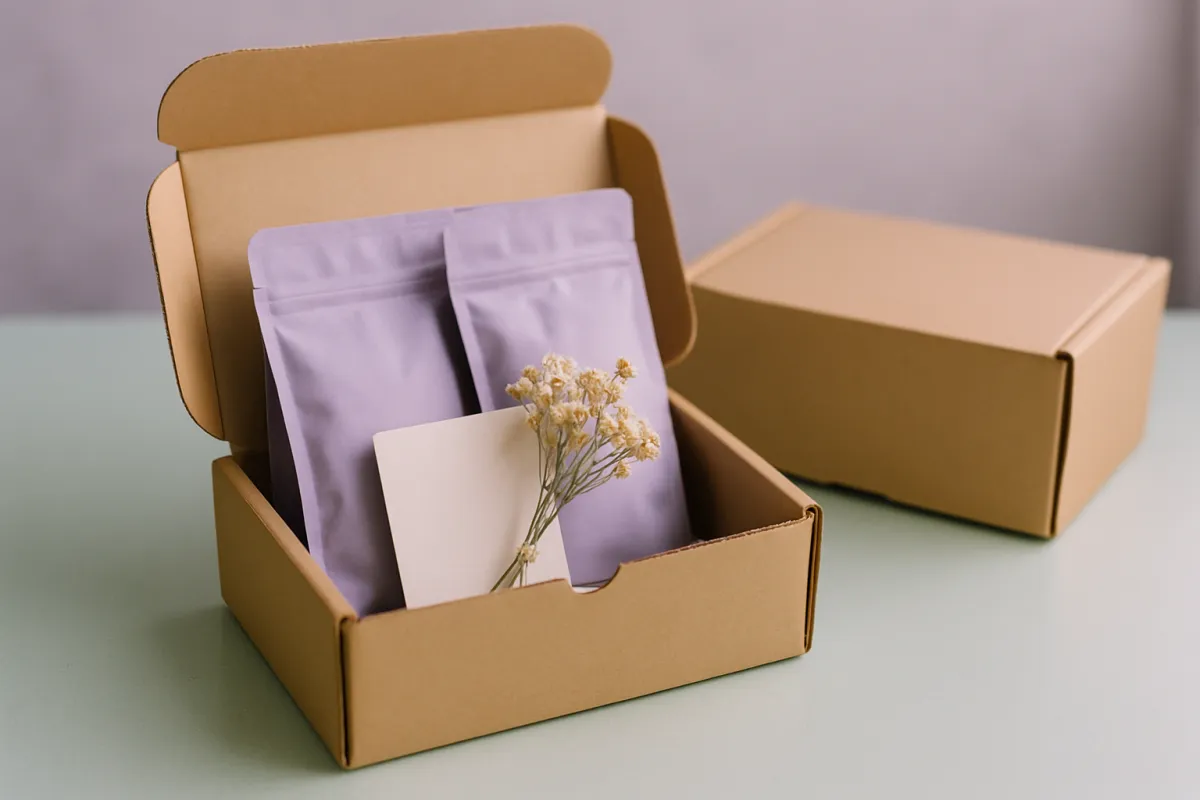
- Physical deliveries: a monthly box of coffee, snacks, flowers, or supplies.
- Services on repeat: a set number of design edits, coaching calls, or check-ins each month.
- Software or tools: ongoing access to something useful you built.
- Perks and discounts: a membership that gives cheaper prices, early access, or free shipping.
Pick one clear idea to start. You can always add more later. The key question to ask yourself: what would make someone sad to cancel? That feeling is what keeps a subscription alive.
Choose your plans and price them simply
Most beginners offer too many choices and confuse people. Start with one or two plans. A common setup is a monthly plan and a yearly plan, where the yearly one is a little cheaper per month as a reward for paying up front.
When you set your price, think about the value the member gets over a whole month, not the effort it takes you. If your membership saves someone hours or gives them something they'd pay more for elsewhere, price it with confidence. It's normal to start slightly higher than feels comfortable and adjust based on how people respond.
Keep the offer easy to understand at a glance. If you're building a page to show your plans side by side, it helps to learn how to structure a pricing page that makes people choose so visitors don't freeze and click away.
A quick example
Say you run a small yoga studio. You could offer a monthly membership at a set price that includes four live online classes, a library of recorded sessions, and a private chat group. A yearly option gives two free months. That's it. One clear promise, two ways to pay.
Set up payments that charge automatically
This is the part that makes a subscription a subscription. You need a way to charge a customer's card on the same day every month, without asking them each time. This is called recurring billing.
You don't need to build any of this yourself. You need three things working together:
- A page that explains the membership and its price.
- A checkout that takes the first payment and saves the card securely.
- A system that charges the card again on schedule and gives access.
An all-in-one website builder like vq.pe can handle the store, the checkout, and the payment side in one place, so members pay and get access in a single smooth flow. If you want customers to be able to pay the way they prefer, it also helps to set up checkout for UPI, cards, wallets, and other options so more people can join without friction.
One honest note: rules for recurring payments vary by country, and some payment methods handle automatic charges better than others. Check what's available in your region before you promise anything.
Give members a clear place to log in and enjoy the perks
After someone pays, they need to actually get what they bought. For content and community memberships, that usually means a login and a members-only area. For physical boxes, it means their delivery details are saved and the box goes out on schedule.
Make the first experience feel welcoming. When a new member joins, send a short, friendly welcome message that tells them exactly what to do next and where to find everything. This first impression matters. A good thank you page that wins repeat buyers is a great place to guide them straight into their first bit of value.

Reduce cancellations before they happen
Selling a subscription is only half the job. Keeping members is the other half. Every month, some people will think about leaving. Your goal is to keep giving them reasons to stay.
A few simple habits go a long way:
- Deliver something fresh on a rhythm. New content, a new box, a new perk. Predictable value builds trust.
- Talk to your members. A short, honest note each week keeps you in their world. If you're not sure what to send, learn how to write a weekly newsletter people actually read.
- Answer questions fast. Slow replies push people toward the cancel button.
- Remind them of the value. Once in a while, point out what they've gotten. People forget.
Also watch your numbers. Notice which month people tend to leave and what happens right before. Reading your own data helps you fix the leak. This guide on how to read your store analytics to find what loses sales works just as well for spotting why members drop off.
Handle the boring but important stuff
Subscriptions involve money leaving someone's account on a repeating basis, so be clear and fair. Nobody likes surprise charges.
- Say the price and the schedule plainly. State how much, how often, and when the first charge happens.
- Make canceling easy. It feels scary, but a simple cancel option builds trust and cuts down on angry emails and card disputes.
- Explain your refund rules. Decide what happens if someone cancels mid-month, and write it down.
- Have a privacy policy. Since you're storing customer details, this matters. Here's how to write a privacy policy for your small business site.
Clear terms protect you and make buyers feel safe handing over their card for something that repeats.
Launch small and grow from there
You don't need a huge audience or a perfect setup to start. You need one solid offer and a few members who love it. Here's a simple path to your first sign-ups:
- Pick one membership idea people would miss if it disappeared.
- Set one or two clear prices.
- Build a simple page explaining the promise and a checkout that charges monthly.
- Tell the people who already know and trust you first.
- Ask your first members what they'd love more of, then give them that.
Your earliest members teach you more than months of planning ever could. Listen to them, keep the promise you made, and the recurring income grows on its own.
Steady monthly income changes how a small business feels. It's the difference between starting from zero every month and building on what you already have. Pick your one clear offer, set a fair price, and put a real sign-up button in front of people this week. That first member is closer than you think.