
How to Create an Upsell and Cross-Sell Strategy That Works
Learn how to build a simple upsell and cross-sell strategy for your online store that lifts each order value without annoying your buyers or feeling pushy.
You already worked hard to get someone to your store and ready to buy. So here is a fair question: why not help them get a little more value from the same order? That is all an upsell and cross-sell strategy really is. Done well, it raises the money you make per sale without spending a cent on new ads, and it can actually leave buyers happier. Done badly, it feels pushy and scares people off. This guide shows you how to do it the good way.
What upselling and cross-selling actually mean
These two words get mixed up all the time, so let's keep it simple.
Upselling is offering a better or bigger version of what someone is already buying. Think of a bigger size, a premium model, or a bundle that includes more. The classic line "do you want the large for a little more?" is an upsell.
Cross-selling is offering something that goes with what they are buying. Buy a phone, get offered a case. Buy a coffee, get offered a pastry. It is a helpful add-on, not a replacement.
Both do the same job: they gently raise your average order value, which just means how much money the average customer spends in one purchase. Lift that number even a little and it adds up fast across every sale.
Why this matters more than finding new customers
Getting a brand new visitor to your store costs money and effort. But someone who already has their card out is warm, ready, and trusting you. Selling them one more relevant item is far easier than finding a stranger.
A small example. Say you sell 100 orders a month at an average of $40 each. That is $4,000. If a good add-on offer lifts the average to just $46, you now make $4,600 from the exact same 100 orders. No extra ads. That $600 is close to pure profit.
That is the whole appeal. You are working with attention you already earned.
The golden rule: only offer things that help
Before any tactics, burn this into your brain. Every upsell or cross-sell should make the customer's purchase better, not just make you more money. If the add-on is truly useful, it feels like good service. If it is random or greedy, it feels like a trap.
Ask yourself one question for every offer: "Would a helpful shop assistant actually suggest this?" If a real person behind a counter would recommend it with a straight face, you are fine. If they would be embarrassed to say it out loud, drop it.
Where to place your offers
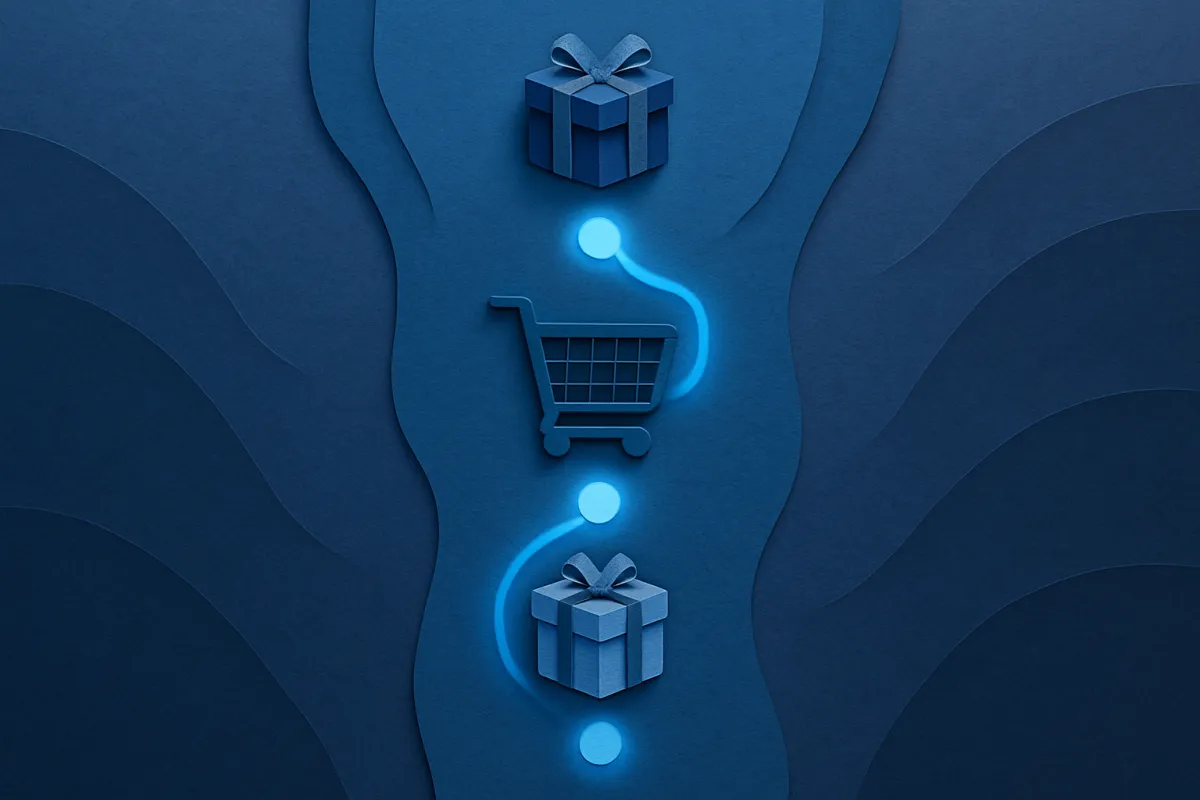
Timing and placement matter as much as the offer itself. Here are the main spots that work, in the order a customer moves through your store.
- On the product page. A small "pairs well with" or "frequently bought together" section under the item. This plants the idea early.
- In the cart. As they review what they picked, show one relevant add-on. This is a natural moment because they are already committing.
- At checkout. A single, low-friction offer right before they pay can work well when it is quick to add. Keep it to one tap. If you want a deeper walkthrough, our guide on how to create a checkout upsell that boosts revenue covers this step by step.
- On the thank you page. After they pay, you can offer a follow-up item or a discount on their next order. It does not risk the sale you just made, and it can turn a buyer into a repeat buyer. A strong thank you page that wins repeat buyers is an easy win most stores skip.
You do not need all of these at once. Start with one or two spots, see what happens, then add more.
Simple upsell and cross-sell ideas you can copy
Not sure what to offer? Here are patterns that work across almost any kind of store.
- The upgrade. Offer the bigger size, longer plan, or premium version. "Get the 500ml bottle and save per use."
- The bundle. Group items people naturally buy together and price the bundle a little below buying each on its own. The saving feels good and the order gets bigger.
- The completer. Offer the thing they will need anyway. Sell a plant, offer the pot and soil. Sell a camera, offer a memory card.
- The small add-on. A cheap extra that is easy to say yes to. Gift wrapping, an extra pack, a warranty. Low price means low resistance.
- The next-order nudge. After purchase, offer a discount code for their second buy. This builds a habit of coming back.
If you sell products with options like size or color, setting those up cleanly makes upgrades feel natural. Our walkthrough on how to set up product variants helps you present those choices without clutter.
How to build your strategy step by step
Here is a simple plan you can follow this week.
- List your best sellers. Start with the products people already buy most. Your offers should hang off these.
- Match each one with a partner item. For every popular product, pick one thing that goes with it or one upgrade of it. Write these pairs down.
- Pick one placement. Choose the cart or the product page to start. One spot only, so you can see clearly if it works.
- Keep the offer to one choice. Never show five add-ons. Too many options freeze people. One good suggestion beats a pile of them.
- Write a short, honest line. Explain why it helps in a few words. "Add the cleaning brush so your grinder lasts longer."
- Check your numbers after two weeks. Look at whether your average order value went up and whether people are actually adding the item.
That last step matters. Reading your store data tells you what to keep and what to kill. If you are not sure where to look, our guide on how to read your store analytics to find what loses sales shows you the numbers that matter.
Mistakes that quietly kill your results
A few traps to avoid, because they are common and easy to fix.
- Too many offers at once. Stacking upsells at every step exhausts people. Space them out and keep each one clean.
- Irrelevant add-ons. Offering socks with a laptop makes no sense and chips away at trust. Relevance is everything.
- Offers that slow down checkout. If adding the item takes extra steps or a new page, most people will skip it. It must be one tap.
- Overpriced add-ons. A cross-sell should feel like a small, easy yes. If it costs almost as much as the main item, it stalls the whole order.
- Never testing. The first offer you try is rarely the best one. Swap items, change wording, and watch what moves the numbers.
A quick real-world example
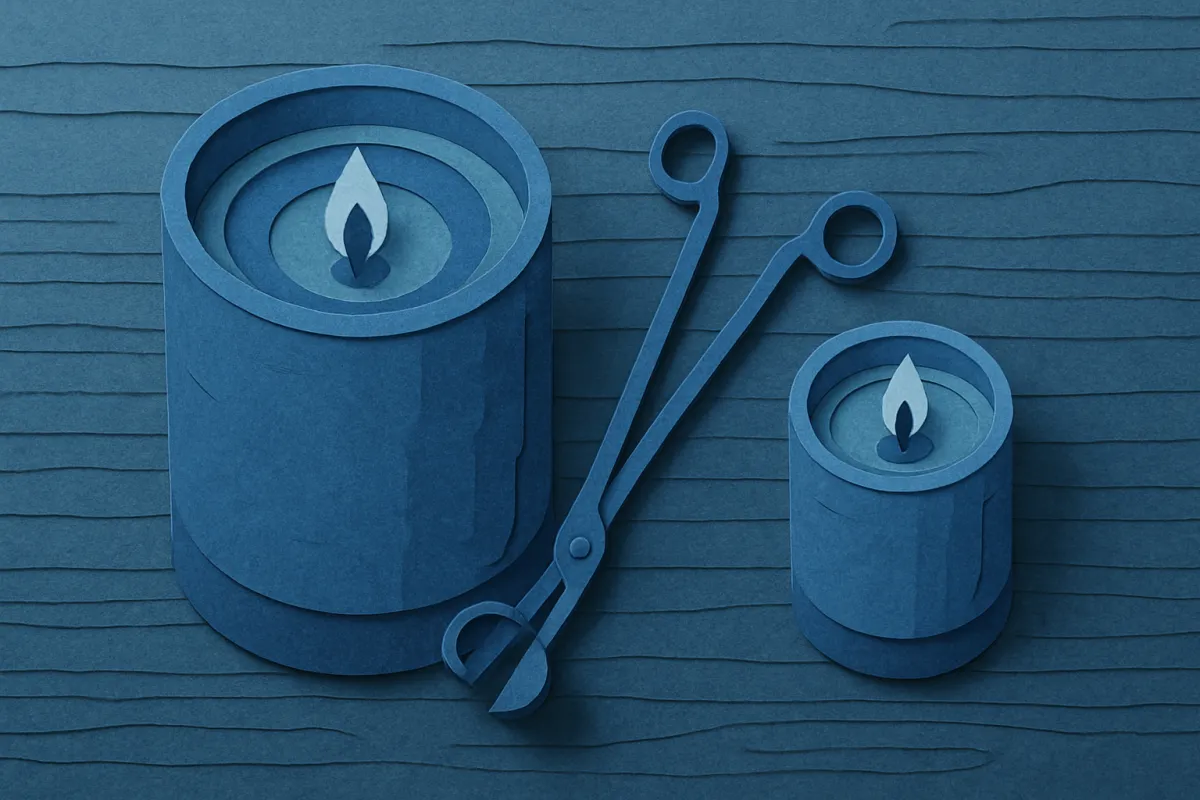
Say you run a small store selling handmade candles. Your best seller is a $25 large candle. Here is a light-touch strategy.
On the product page you show a "goes well with" wick trimmer for $8. In the cart you offer a matching candle in a smaller scent for $15 as a bundle deal. On the thank you page you drop a 10% code for their next order. Nothing here is pushy. Each offer genuinely fits a candle buyer. Over a month, a chunk of orders pick up the trimmer, some grab the bundle, and a few come back with the code. Your average order slowly climbs, and buyers feel looked after, not squeezed.
Making it easy to run
You do not need custom code to do any of this. A modern store builder lets you add "frequently bought together" blocks, cart add-ons, and post-purchase offers with a few clicks. If you want the store, checkout, and payments handled in one place so these offers work smoothly, a platform like vq.pe makes it simple to set up and change as you learn.
Start small. Pick your top product, match it with one honest add-on, and turn on a single offer. Watch the numbers for a couple of weeks, then improve from there. The best strategy is the one you actually launch, so set up your first upsell today and let real buyers show you what works.